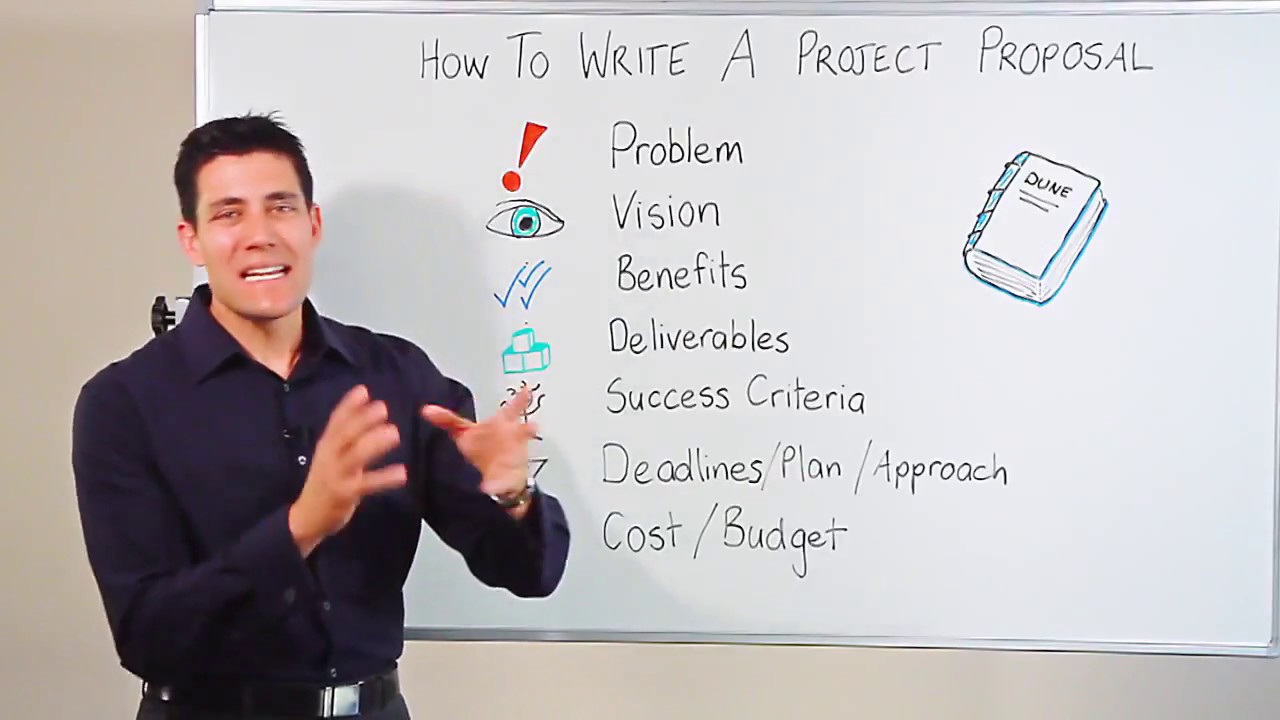
Crafting a compelling proposal requires a strategic approach. Examples and writing guides for proposals offer invaluable assistance, guiding you through crucial steps like conducting thorough background analyses, establishing clear goals, and developing realistic resource allocation plans. These resources provide aspiring entrepreneurs and non-profits with the practical tools necessary to create comprehensive and persuasive documents, significantly increasing their chances of securing funding or partnerships.
You may also refer to 《抖音直播教學:從基礎到進階的完整操作指南,助你輕鬆開啟直播互動之旅!》
- Proposal Examples: Goal Setting
- Resource Allocation: Proposal Examples
- Winning Proposal Writing Examples: Crafting a Compelling Narrative
- Mastering Proposal Writing: Examples
- Examples and writing guides for proposals Conclusion
- Examples and writing guides for proposals Quick FAQ
Proposal Examples: Goal Setting
Setting clear, achievable goals is paramount for any successful proposal, whether you’re seeking funding for a non-profit organization or trying to win a lucrative business contract. This section provides practical guidance and examples to illustrate how effective goal setting strengthens your proposal and increases your chances of success. Remember, clear goals translate into a clear path to achieving your objectives, leading to a more persuasive and compelling narrative for your readers.
Let’s examine some key aspects of defining goals within the context of your proposal:
SMART Goals: A Framework for Success
Employing the SMART criteria (Specific, Measurable, Achievable, Relevant, and Time-bound) is crucial. This framework ensures your goals are not just well-defined, but also realistic and easily tracked. This clarity is essential for effective resource allocation and ultimately, a successful proposal.
- Specific: Avoid vague language. Instead of saying “improve community health,” specify “reduce childhood obesity rates in the target community by 15%.”
- Measurable: Define quantifiable metrics. How will you track progress towards your goals? Will you use surveys, data analysis, or other methods?
- Achievable: Set realistic targets based on available resources and realistic timelines. Ambitious goals are fine, but they must be attainable.
- Relevant: Ensure goals align with your organization’s mission and the overall objectives of your proposal. Every goal should directly contribute to the proposal’s central aim.
- Time-bound: Set deadlines for achieving each goal. This creates accountability and allows for effective monitoring of progress. This ties directly into your resource allocation plan.
By consistently applying the SMART framework, your proposal will demonstrate a comprehensive understanding of your project and significantly enhance its credibility.
Consider these proposal examples demonstrating effective goal setting:
- Example 1 (Non-profit): Instead of “Increase community engagement,” aim for “Increase volunteer participation in our community garden project by 20% within six months, measured by weekly volunteer sign-up sheets and event attendance.”
- Example 2 (Business): Instead of “Expand market share,” aim for “Increase market share in the Northeast region by 10% within one year, measured by quarterly sales reports and competitor analysis.”
These examples showcase how concrete, measurable goals strengthen the overall impact of your proposal. This allows reviewers to easily understand and assess the feasibility of your plan, thereby increasing your chances of securing funding or winning the project.
Resource Allocation: Proposal Examples
A crucial aspect of any successful proposal, whether for a grant or a business venture, lies in its resource allocation plan. This section demonstrates the importance of a realistic and detailed budget for aspiring entrepreneurs and non-profit organizations. Effectively structuring this portion of your proposal can significantly impact the likelihood of securing funding. My practical guidance on proposal structure and content emphasizes the need for meticulous planning in this area.
Let’s explore some key elements to include in your resource allocation section, illustrated through practical examples:
Essential Components of a Strong Resource Allocation Plan
- Personnel Costs: Clearly outline the roles, responsibilities, and associated salaries or hourly rates for all personnel involved. For example, a non-profit seeking funding for a community program might detail the salaries of program managers, community outreach coordinators, and administrative staff. A business proposal might list the costs associated with hiring specific consultants or freelancers.
- Materials and Supplies: List all necessary materials, equipment, and supplies needed to complete the project. Provide detailed descriptions and associated costs. This could include anything from office supplies and software licenses to specialized equipment and raw materials.
- Travel and Accommodation: If your project involves travel, clearly outline the anticipated costs for transportation, lodging, and per diem expenses. Be specific and provide justification for all travel-related costs.
- Indirect Costs: Account for any indirect costs associated with the project, such as administrative overhead, utilities, or rent. Ensure these costs are justifiable and aligned with your overall budget.
- Contingency Planning: A well-structured proposal anticipates potential unforeseen circumstances. Include a contingency fund to address unexpected expenses, demonstrating a proactive and responsible approach to resource allocation. This is a critical component for ensuring the overall success of your proposal.
By carefully considering these elements and providing clear, well-justified cost estimations, you’ll create a compelling resource allocation plan that builds trust and confidence in your proposal. Remember, a strong resource allocation plan demonstrates your understanding of your project’s needs and your commitment to responsible financial management, critical factors in securing funding for your project. This practical guidance on proposal structure and content helps ensure a well-defined budget.
Winning Proposal Writing Examples: Crafting a Compelling Narrative
Developing winning proposal examples requires more than just a well-structured format; it demands a captivating narrative that resonates with the reader. This involves showcasing a deep understanding of the problem you’re addressing, clearly articulating your proposed solution, and demonstrating your expertise in grant writing and business development. Aspiring entrepreneurs and non-profit organizations often overlook the power of storytelling in their proposals, focusing instead solely on technical details. However, a compelling narrative transforms a dry document into a persuasive argument.
Consider these key elements for crafting a winning proposal narrative:
- Show, don’t tell: Instead of simply stating your expertise, provide concrete examples of your past successes in grant writing or business development. Use quantifiable results to highlight your achievements and build credibility. This will strengthen your proposal’s impact.
- Address the reader’s needs directly: Tailor your proposal to the specific requirements and priorities of the funding organization or potential client. Demonstrate that you understand their challenges and that your proposal directly addresses their needs. This shows you’ve done your research and are offering a relevant solution.
- Use clear and concise language: Avoid jargon and technical terms that the reader may not understand. Focus on clear, concise language that is easy to follow. This makes your proposal accessible and persuasive.
- Highlight the impact: Clearly articulate the positive impact your project will have. Use strong verbs and descriptive language to paint a picture of the desired outcomes, emphasizing the benefits of your proposal to your audience. This strengthens the ‘why’ of your proposal.
By incorporating these elements into your proposal, you can craft a compelling narrative that increases your chances of securing funding or winning a contract. Remember, effective proposal writing goes beyond just outlining a project; it’s about building a persuasive case for your vision, and the structure and content must reflect that. Practical guidance on proposal structure and content is key to achieving this.
“`html
| Element | Description |
|---|---|
| Show, Don’t Tell | Provide concrete examples of past successes with quantifiable results to build credibility. Highlight achievements and strengthen proposal impact. |
| Address Reader’s Needs | Tailor the proposal to the specific requirements and priorities of the funding organization or client. Demonstrate understanding of their challenges and offer a relevant solution. |
| Clear & Concise Language | Avoid jargon and technical terms. Use clear, concise, and easy-to-follow language to ensure accessibility and persuasiveness. |
| Highlight the Impact | Clearly articulate the positive impact of the project. Use strong verbs and descriptive language to paint a picture of desired outcomes and emphasize benefits. Strengthen the “why” of the proposal. |
“`
Mastering Proposal Writing: Examples
To truly master proposal writing, understanding the interconnectedness of structure, content, and strategy is paramount. This means going beyond simply filling in templates; it requires a deep understanding of your audience and their needs. Aspiring entrepreneurs and non-profit organizations often benefit from practical guidance in this area, learning how to articulate their vision effectively. Effective proposals don’t just present ideas; they build a compelling case for support. This involves a clear and concise explanation of the problem you’re addressing, demonstrating a comprehensive understanding of the context, and proposing solutions backed by evidence and a well-defined plan.
Consider these key aspects for mastering proposal writing:
- Background Analysis: A strong proposal begins with a thorough understanding of the problem. Provide a clear and concise background analysis, demonstrating your expertise and setting the stage for your proposed solution. This analysis should be tailored to the specific audience and their existing knowledge.
- Goal Definition: Clearly articulate your goals and objectives. Use SMART goals (Specific, Measurable, Achievable, Relevant, and Time-bound) to ensure clarity and measurability of success. This allows for easy tracking and reporting of progress.
- Resource Allocation: A realistic budget and resource allocation plan are critical for demonstrating the feasibility of your project. This section should be detailed and transparent, showing how you will effectively use the available resources.
- Proposal Structure: The overall structure of your proposal is crucial. A logical flow of information, using clear headings and subheadings, significantly improves readability and comprehension. Remember to tailor your structure to the specific requirements of the funding body or potential client.
By focusing on these elements and learning from examples of successful proposals, you’ll significantly increase your chances of securing funding or winning contracts. Remember that practical guidance is invaluable in navigating this process effectively.
Examples and writing guides for proposals Conclusion
Crafting a successful proposal is a multifaceted process, requiring a strategic blend of meticulous planning, compelling storytelling, and a deep understanding of your target audience. Throughout this guide, we’ve explored the crucial components of effective proposal writing, from defining SMART goals and developing realistic resource allocation plans to crafting a captivating narrative that resonates with reviewers. Examples and writing guides for proposals serve as invaluable tools, providing aspiring entrepreneurs and non-profit organizations with the practical knowledge and templates needed to navigate this often-complex process.
Key Takeaways: Applying the Lessons Learned
By mastering the key elements outlined in this article, you’ll be well-equipped to develop proposals that stand out from the competition. Remember that a successful proposal isn’t simply a request for funding; it’s a persuasive presentation of a well-defined plan, showcasing your expertise, addressing a specific need, and promising tangible results. Let’s recap the essential takeaways:
- Thorough Background Analysis: Laying a solid foundation with a comprehensive understanding of the problem you aim to solve.
- Clear and Achievable Goals: Utilizing the SMART framework to define specific, measurable, achievable, relevant, and time-bound objectives.
- Detailed Resource Allocation: Demonstrating responsible financial management with a realistic and transparent budget.
- Compelling Narrative: Engaging your audience with a story that highlights the impact of your project and showcases your expertise.
- Effective Structure and Formatting: Ensuring clear organization and easy readability for maximum impact.
We hope that the examples and writing guides for proposals provided throughout this article have equipped you with the tools and insights necessary to confidently approach your next proposal. Remember to continuously refine your approach, learn from both successes and setbacks, and adapt your strategies to the specific needs of each project. With diligent preparation and a strategic approach, success in proposal writing is within reach.
By utilizing the resources and guidance offered here, you can transform your proposal from a simple request into a compelling and persuasive document that increases your chances of securing funding or forming valuable partnerships. Remember, consistent practice and a commitment to excellence are key to mastering the art of proposal writing.
Examples and writing guides for proposals Quick FAQ
What makes a proposal compelling, beyond just following a template?
A compelling proposal goes beyond simply filling in blanks. It tells a captivating story that resonates with the reader, showcasing a deep understanding of the problem and offering a clear, well-supported solution. It directly addresses the reader’s needs, uses clear and concise language, and highlights the positive impact of the project with strong evidence and quantifiable results. A strong narrative and a well-defined, realistic plan are crucial for making a lasting impression.
How important is a detailed resource allocation plan in a proposal?
A detailed and realistic resource allocation plan is absolutely critical. It demonstrates your understanding of your project’s needs and your commitment to responsible financial management. This builds trust and confidence with the reader, proving that your project is feasible and well-considered. The plan should cover personnel costs, materials, travel, indirect costs, and crucially, a contingency fund to address unforeseen expenses.
What are SMART goals and why are they important in proposal writing?
SMART goals are Specific, Measurable, Achievable, Relevant, and Time-bound. They are essential because they provide clarity and measurability to your objectives. Using SMART goals allows you to define your targets precisely, track progress effectively, and demonstrate the feasibility of your plan to the reader. Vague goals weaken your proposal; SMART goals strengthen it.