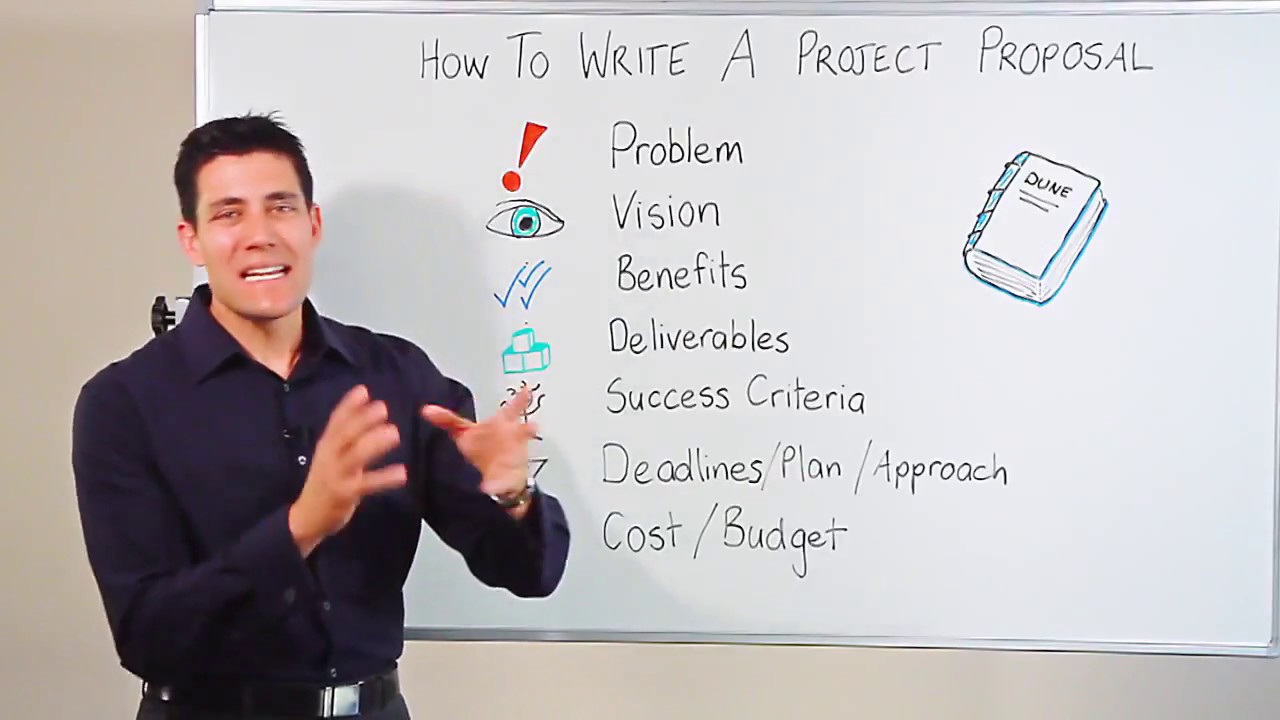
Securing funding or grants requires a compelling proposal. Knowing what to include in a proposal is crucial for success. This means presenting a clear analysis of the problem’s context, outlining specific, measurable objectives, detailing your proposed solution and its strategic approach, specifying resource requirements, providing a realistic timeline, acknowledging potential risks, and projecting achievable outcomes. Only through this comprehensive approach can you offer clear, actionable guidance to potential funders and significantly increase your chances of approval.
You may also refer to YouTube 頻道封面尺寸指南:提升你的頻道吸引力
- What to Include: Risk Assessment
- What to Include: Projected Outcomes
- What to Include: Timeline & Schedule
- What to Include: Resource Needs
- What to include in a proposal Conclusion
- What to include in a proposal Quick FAQ
What to Include: Risk Assessment
Addressing potential problems upfront demonstrates your thorough planning and proactive approach – crucial elements for securing funding and grants. A robust risk assessment shows you’ve considered challenges and have strategies to mitigate them. This reassures potential funders that your project is well-considered and less likely to fail. For entrepreneurs and small business owners, this is particularly important as it builds trust and confidence.
When crafting this section, remember to focus on the problem’s context and your proposed solution’s strategy. Don’t just list risks; analyze them.
Key Elements of a Strong Risk Assessment:
- Identify Potential Risks: List all foreseeable challenges that could impact your project’s objectives. This includes everything from technical difficulties to unexpected market shifts or resource limitations. Consider the problem’s context within your solution’s strategy.
- Assess the Likelihood and Impact: For each risk, assign a probability of occurrence and the potential severity of its impact. This helps prioritize the risks that require the most attention.
- Develop Mitigation Strategies: For each significant risk, outline specific steps you’ll take to reduce the likelihood of its occurrence or to lessen its impact. These should be actionable and directly relevant to the project’s timeline and resource needs. For entrepreneurs seeking grants, this demonstrates careful planning and resourcefulness.
- Contingency Planning: Outline backup plans in case mitigation strategies fail. This shows preparedness and minimizes potential project disruption.
By proactively addressing potential problems, your proposal showcases your comprehensive understanding of the project and your commitment to its success. This detailed approach, highlighting clear objectives and a strong solution strategy, will increase your chances of securing the necessary funding or grant.
What to Include: Projected Outcomes
Forecasting the anticipated results of your project is crucial for securing funding and grants. A strong proposal doesn’t just outline what you will do; it persuasively demonstrates why it will succeed and what tangible benefits it will deliver. This section should clearly articulate the potential impact of your solution on the problem’s context, directly linking your objectives to measurable outcomes. Remember, funders want to see a return on their investment, so painting a clear picture of success is essential. Consider these key elements when detailing your projected outcomes:
-
Quantifiable Metrics: Avoid vague statements. Use specific numbers and data to illustrate your projected achievements. For example, instead of saying “increase brand awareness,” aim for something like “increase brand awareness by 25% as measured by social media engagement and website traffic within six months.” This shows you’ve carefully considered your strategy and have a clear path to achieving your objectives.
-
Realistic Expectations: While optimism is encouraged, avoid overly ambitious projections. Funders are more likely to approve proposals with realistic and attainable outcomes. Ensure your projections align with your resource needs and timeline, demonstrating a well-thought-out approach to problem-solving.
-
Long-Term Sustainability: Address the long-term implications of your project. How will the anticipated results endure beyond the initial funding period? Demonstrating the sustainability of your solution strengthens the proposal and showcases a comprehensive understanding of the problem’s context and its long-term impact.
-
Impact on Stakeholders: Clearly articulate how your project will benefit various stakeholders, including the target audience, community, and the organization providing the funding. Showing a clear understanding of the problem’s context and its wider impact will strengthen your proposal’s argument for approval.
By thoroughly addressing projected outcomes, your proposal will demonstrate a clear understanding of the project’s potential, increasing your chances of securing the necessary resources. This section, in conjunction with a well-defined risk assessment, provides a complete picture of the project, ensuring a compelling case for funding approval.
What to Include: Timeline & Schedule
A well-defined timeline is crucial for demonstrating the feasibility and practicality of your proposed solution. It shows potential funders that you’ve carefully considered the project’s progression and are prepared to deliver results. This section needs to be both realistic and ambitious, reflecting a clear understanding of the problem’s context and the strategic steps necessary to address it. Remember, your proposed solution, its resource needs, and the anticipated results are all intrinsically linked to your schedule. A poorly planned timeline can undermine even the most innovative solution.
To create a compelling timeline, consider these key elements:
- Milestones: Break down the project into manageable phases, each marked by a significant achievement. Clearly state the objectives for each phase, ensuring they contribute directly to the overall project goals and provide clear, actionable guidance for approval.
- Deadlines: Assign realistic deadlines to each milestone. Account for potential delays and build in buffer time where appropriate. This demonstrates foresight and risk management, essential components of a winning proposal addressing the problem’s context.
- Dependencies: Identify any tasks that depend on the completion of others. Clearly illustrate these dependencies in your schedule to avoid bottlenecks and ensure a smooth, efficient workflow contributing to your solution’s strategy.
- Visual Representation: Use a Gantt chart or similar visual aid to present your timeline clearly and concisely. This helps funders quickly grasp the project’s pacing and understand how each part contributes to the anticipated results.
By presenting a detailed and well-structured timeline, you convey competence and preparedness, increasing the likelihood of securing the necessary funding and grants. A strong timeline, coupled with a clear explanation of resource needs and anticipated results, paints a comprehensive picture of your project and its potential for success, directly addressing the problem’s context with your solution’s strategy. This strengthens the overall impact of your proposal.
“`html
| Element | Description |
|---|---|
| Milestones | Break down the project into manageable phases, each marked by a significant achievement. Clearly state objectives for each phase, ensuring they contribute directly to overall project goals and provide clear, actionable guidance for approval. |
| Deadlines | Assign realistic deadlines to each milestone. Account for potential delays and build in buffer time. This demonstrates foresight and risk management. |
| Dependencies | Identify tasks dependent on others. Clearly illustrate these dependencies to avoid bottlenecks and ensure a smooth workflow. |
| Visual Representation | Use a Gantt chart or similar visual aid to present the timeline clearly and concisely. This helps funders grasp project pacing and understand how each part contributes to the anticipated results. |
“`
What to Include: Resource Needs
A crucial component of a winning proposal, particularly when seeking funding or grants, is a detailed breakdown of your resource needs. This section shouldn’t just list expenses; it should demonstrate a clear understanding of how these resources directly contribute to achieving your objectives and solving the problem you’ve outlined. A well-structured resource section builds confidence in your strategy and provides clear, actionable information for the approver to understand how funds will be used.
To ensure your proposal effectively communicates your resource requirements, consider these key elements:
- Personnel: List key personnel involved, their roles, and their associated costs (salaries, benefits, etc.). Explain how each person’s expertise is essential to the project’s success. This directly links to your solution strategy and anticipated results.
- Materials and Supplies: Provide a comprehensive list of all necessary materials and supplies, including quantities and estimated costs. Justify each item’s necessity, demonstrating its direct contribution to your project objectives and mitigating identified risks.
- Equipment: If any specialized equipment is required, detail its purpose, cost, and how its use aligns with your problem’s context and the proposed timeline. Explain how the equipment contributes to a more efficient and effective solution.
- Travel and Expenses: Include any anticipated travel costs, clearly outlining the purpose of each trip and its relation to your project objectives. This should also be justified within the timeline and overall project strategy.
- Contingency Planning: Allocate a portion of the budget to unforeseen expenses. This demonstrates risk management and shows you’ve carefully considered potential setbacks. This is crucial for building confidence and showcasing proactive problem-solving abilities.
Remember, clarity is key. Use a consistent format, be precise with numbers, and ensure every resource request is directly tied to a specific aspect of your project plan. This will demonstrate that you have a robust understanding of the problem, a clear solution strategy, and a realistic path to achieving your projected outcomes within the specified timeline.
What to include in a proposal Conclusion
Crafting a winning proposal hinges on a comprehensive and strategically structured document. We’ve explored the crucial elements you need to include, from a thorough analysis of the problem’s context to the detailed projection of anticipated results. Remember, a successful proposal isn’t just about presenting a good idea; it’s about building a compelling case for investment. By meticulously addressing each of the components discussed – including a robust risk assessment, a realistic timeline, a clearly defined resource allocation, and demonstrably achievable projected outcomes – you significantly increase your chances of securing the funding or grant you need.
Key Takeaways: Refining Your Proposal
-
Clear and Concise Language: Avoid jargon and technical terms your audience may not understand. Keep the language straightforward and easy to comprehend, ensuring your message is clear and impactful. Focus on communicating the core value proposition of your project.
-
Visual Appeal: Use charts, graphs, and other visual aids to present your data effectively. A well-designed proposal is easier to read and more engaging for the reviewer. Ensure your visuals complement your text and don’t overshadow it.
-
Proofreading and Editing: Before submitting your proposal, thoroughly proofread and edit the entire document for errors in grammar, spelling, and punctuation. A polished document demonstrates professionalism and attention to detail.
-
Tailoring to the Audience: Each funding organization or grant provider has its own specific requirements and preferences. Carefully review their guidelines and tailor your proposal to meet those specific needs. Showing that you understand their priorities will significantly enhance your proposal’s chances of success.
By carefully considering what to include in a proposal, you’re not just creating a document; you’re building a persuasive argument that showcases your project’s potential, demonstrates your understanding of the challenges involved, and highlights your commitment to its success. This structured approach ensures your proposal provides clear, actionable guidance for the reviewers, leaving a lasting positive impression and significantly increasing your likelihood of securing the necessary funding or grant.
What to include in a proposal Quick FAQ
What is the most crucial element of a successful funding proposal?
While all elements are important, clearly articulating the problem’s context and presenting a compelling solution strategy is paramount. Funders need to understand the need and see how your proposed solution directly addresses it. This forms the foundation upon which all other aspects—objectives, timeline, resources, risk assessment, and projected outcomes—are built. A strong proposal demonstrates a deep understanding of the problem and a clear, achievable plan to solve it.
How detailed should my risk assessment be?
Your risk assessment should be thorough but concise. Don’t just list potential problems; analyze them. For each risk, assess the likelihood of it occurring and the potential impact. Then, outline specific mitigation strategies and contingency plans. The level of detail should reflect the potential severity of the risk; major risks require more detailed analysis and planning than minor ones. The goal is to demonstrate foresight and preparedness without overwhelming the reader with unnecessary information.
How can I ensure my projected outcomes are realistic and believable?
Base your projections on solid data and research. Avoid overly ambitious claims; instead, focus on achieving measurable, achievable goals. Use quantifiable metrics to illustrate your expected results, and ensure your projections align with your resource needs and timeline. Consider long-term sustainability and articulate the impact on stakeholders. By demonstrating a clear understanding of your project’s potential and its limitations, you build credibility and increase your chances of securing funding.